Title Deed Plots in Kenya 2026: Best Areas and How to Buy Safely
Title deed plots in Kenya are plots that already have their own registered title, so you can confirm the owner with an official search before you pay and have the plot transferred into your name. In 2026, ready-title plots marketed by Sir Francis Homes start from about KSh 1.7 million an acre around Kitengela, Isinya and Konza. Quarter-acre plots in gated estates in Ngong cost about KSh 7.5 million, and freehold coastal plots in Diani and Kilifi start from about KSh 4–4.5 million. Before you pay any deposit, always do an official search, check the survey map and use an advocate.
Last updated: 4 November 2026 · Written by Dismas Saboke of Sir Francis Homes, an EARB registered estate agency (No. 2159) selling property in Kenya since October 2015.
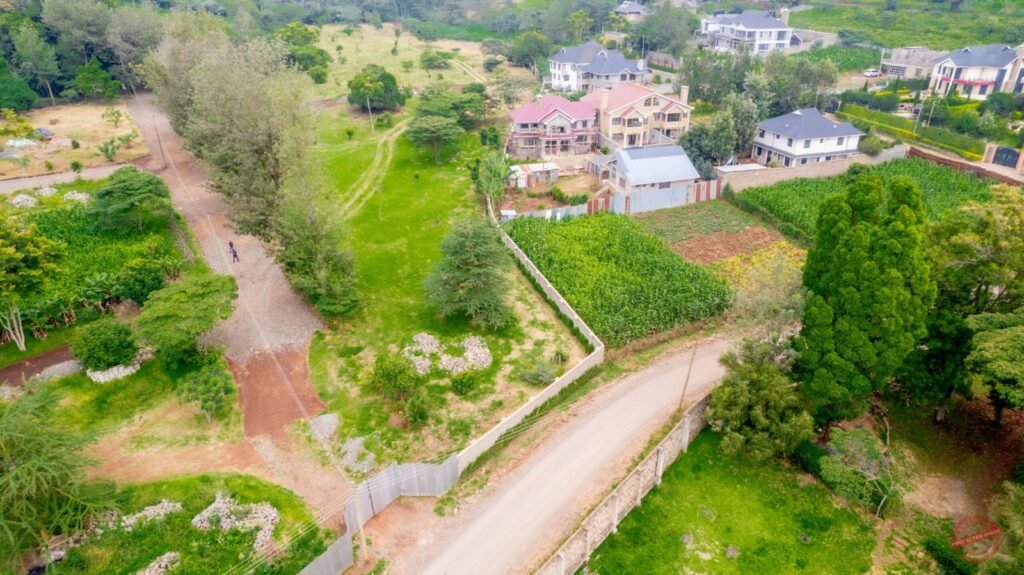
Where to buy title deed plots in Kenya (2026)
The table lists the title deed plots in Kenya we currently market where the seller says the titles are ready or freehold. Prices are starting prices taken from our live listings on 4 November 2026. Confirm availability and the title details for the exact plot you want before you pay.
| Location | Plot size | Starting price | Title status (per the listing) |
|---|---|---|---|
| Kitengela, Isinya and Konza | Acreage | About KSh 1.7M an acre | Beaconed, ready title deeds, sold by a single owner |
| Nkoroi, Ongata Rongai | 1/8 acre (50 x 100 ft) | About KSh 2.3M | Individual title deed per plot, direct transfer |
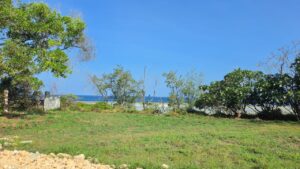
| Diani, Kwale | 1/4, 1/2 and 1 acre | From KES 4M | Freehold title deeds |
| Sunset Creek, Kilifi | 1/4 acre | From KES 4.48M | Clear, verified title deeds |
| Tulivu Estate, Ngong | 1/4 acre (100 x 100 ft) | From KSh 7.5M | Ready freehold title deeds |
| Marijani, Vipingo Ridge | 1/4 acre beachfront | KES 10.7M | Freehold |
For every plot we market, including those still waiting for individual titles, see our land for sale in Kenya guide.
What title deed plots in Kenya really are
Advertisements use the phrase loosely, so it helps to know the three situations you will meet:
- Ready individual title. The plot already has its own title number in the seller’s name. After you pay, the title is transferred to you. This is the safest option.
- Title under processing. The land sits on one “mother title” and the developer has started subdividing it. You get your own title later, often after several months. This is common in new gated estates and can be fine, but you rely on the developer finishing the process.
- Share certificate or allotment letter. You own a share in a company or a promise of land, not a registered plot. These carry more risk and need careful legal advice.
Also check the tenure. Freehold means you own the land indefinitely. Leasehold means you own it for a fixed term, often 99 years, and may pay annual land rent. Both can be good investments if the paperwork is clean.
How to verify title deed plots in Kenya before you buy
Most fraud involving title deed plots in Kenya happens because buyers pay before checking. Follow these steps in order, and do not pay a deposit until the first four are done.
1. Get a copy of the title and the seller’s ID
Ask for a copy of the title deed, the seller’s national ID and KRA PIN. For a company seller, ask for the CR12 showing the directors. The name on the title must match the seller, or the seller must show a valid power of attorney.
2. Do an official search on Ardhisasa or eCitizen
An official search from the Ministry of Lands confirms the registered owner, the plot size, and any charges (loans), cautions or restrictions on the title. Nairobi and other digitised registries use the Ardhisasa platform; other registries use eCitizen or a manual search at the registry. Recent guides put the Ardhisasa search fee at about KSh 1,000; check the current fee on the platform before you pay. The search result must match the copy of the title exactly. A single different digit can mean a different parcel.
3. Check the survey map and visit the plot
Get the Registry Index Map (RIM) or survey map for the parcel and hire a licensed surveyor to confirm that the beacons on the ground match the map. This catches the common trick of showing buyers one plot and selling them another.
4. For estates, check the mother title and approvals
If the plot comes from a subdivided estate, ask for the mother title search, the county subdivision approval and the approved plan. Ask when individual titles will be issued, and get that date in the sale agreement.
5. Get Land Control Board consent for agricultural land
Sales of agricultural land need consent from the local Land Control Board. Without it the sale can be void, even after you have paid. The Ministry of Lands lists an application fee of KSh 3,000 (see Land Control Board consent). Your advocate normally handles this.
6. Use an advocate and a written sale agreement
An advocate checks the search and approvals, drafts the sale agreement, holds the deposit if needed, and registers the transfer. Pay to the account named in the sale agreement, never to an individual’s personal number unless the agreement says so.
What it costs to buy title deed plots in Kenya
Budget for these costs on top of the price when you buy title deed plots in Kenya:
| Cost | Typical amount |
|---|---|
| Stamp duty | 4% of the value in cities, municipalities and gazetted towns; 2% in rural areas |
| Official search | About KSh 1,000 per search on Ardhisasa (check the current fee) |
| Land Control Board consent (agricultural land) | KSh 3,000 application fee |
| Legal fees | Agree in writing with your advocate; scale fees apply |
| Valuation for stamp duty | Done by the government valuer; duty is charged on the higher of the price and the valuation |
| Surveyor | Agree before the site visit |
Since April 2024 many satellite towns that used to pay the 2% rural rate, such as Kitengela, Ruiru and Naivasha, pay 4%. Read our full stamp duty in Kenya guide for worked examples.
Red flags that should stop the deal
Walk away from title deed plots in Kenya that show any of these signs, however good the price looks:
- The seller refuses an official search, or asks you to pay “to secure the plot” before the search.
- The search shows a different owner, a different size, or a charge or caution the seller did not mention.
- The beacons on the ground don’t match the survey map.
- An estate developer can’t show the mother title or subdivision approval.
- Agricultural land is being sold with no plan to get Land Control Board consent.
- The price is far below other plots in the same area, with pressure to pay today.
How to choose the best title deed plots in Kenya for you
The best title deed plots in Kenya for you depend on why you are buying:
- To build a family home soon: choose a gated estate with water, power and roads already in, such as Ngong or Ongata Rongai, within reach of Nairobi.
- To hold land while it grows in value: acreage around Kitengela, Isinya and Konza costs less and benefits from growth along the Namanga and Mombasa roads, including around Konza Technopolis.
- For a holiday home or short-stay income: freehold plots in Diani, Kilifi and Vipingo give you the coast and a growing holiday market.
Whatever you choose, compare the total cost (plot, stamp duty, legal fees and services) rather than the headline price alone.
From offer to title in your name: the buying process
Buying title deed plots in Kenya follows the same basic path whether you buy a quarter acre in Ngong or a beach plot in Kilifi. Knowing the order helps you avoid paying too early.
- Shortlist and visit. Compare two or three plots on price, access road, water, power and neighbours. Visit in daylight, and ask to see the beacons.
- Make an offer in writing. Agree the price, the payment plan and what is included, such as fencing, water connection or a clubhouse in a gated estate.
- Due diligence. Your advocate does the official search, checks the seller’s identity and, for an estate, the mother title and approvals. A surveyor confirms the beacons. Don’t pay a deposit before this is done.
- Sign the sale agreement. It sets the price, payment dates, completion date and what happens if either side pulls out. The usual deposit is 10%, but it is negotiable.
- Consents and clearances. For agricultural land, the Land Control Board consent is obtained. The seller provides any rates or land rent clearance certificates the registry needs.
- Valuation and stamp duty. The government valuer confirms the value and you pay stamp duty through the Ministry of Lands’ online system.
- Pay the balance and register the transfer. Once the transfer is registered, the title is issued in your name. Do a final search to confirm it.
How long this takes depends on the registry and whether consents are needed. A clean sale of a plot with a ready title often completes within a few weeks to a few months. Plots that are still being subdivided take longer, because you wait for your own title to be issued.
Buying title deed plots in Kenya from abroad
Many of our buyers live outside Kenya. You can buy safely from abroad if you keep control of the money and the paperwork:
- Appoint your own advocate in Kenya rather than relying only on the seller’s lawyer.
- Ask for a live video walk of the plot that shows the beacons, the access road and the neighbouring plots.
- If someone will sign for you, give them a specific, registered power of attorney for that one transaction, not a general one.
- Pay only into the account named in the sale agreement, and confirm the account details by phone with your advocate before every payment.
Sir Francis Homes arranges virtual viewings and works with your advocate on the searches, so you can follow each step from wherever you are.
Frequently asked questions
Which areas have the best title deed plots in Kenya in 2026?
It depends on your goal. Gated estates in Ngong and Ongata Rongai suit buyers who want to build near Nairobi, acreage around Kitengela, Isinya and Konza suits long-term investors on a smaller budget, and freehold plots in Diani, Kilifi and Vipingo suit holiday homes. Always confirm the title with an official search.
How do I know if a title deed is genuine?
Do an official search on Ardhisasa or eCitizen and check that the owner, title number and size match the seller’s copy exactly. Then have a licensed surveyor confirm the beacons against the survey map, and let an advocate review everything before you pay.
How much does an official land search cost in Kenya?
Recent guides put the Ardhisasa search fee at about KSh 1,000 per search. Check the current fee on the platform before paying, as government fees change.
What is the stamp duty on land in Kenya?
Stamp duty is 4% of the value for land in cities, municipalities and gazetted towns, and 2% in rural areas. It is charged on the higher of the purchase price and the government valuation.
Can foreigners buy title deed plots in Kenya?
Under the Constitution, non-citizens can hold land on leasehold of up to 99 years but cannot own freehold land. Foreign buyers often buy through a structure their advocate recommends, so take legal advice first.
Talk to Sir Francis Homes
We help buyers in Kenya and abroad shortlist title deed plots in Kenya, arrange site visits, and coordinate searches with their advocate. Call or WhatsApp 0722 720 812, or browse all land for sale.