How to Buy Property in Kenya: A Step-by-Step Guide (2026)
How to buy property in Kenya, in short: set your budget (including about 5–7% extra for stamp duty and legal fees), choose the area and property type, check the title with an official search, have an independent advocate review the sale agreement, pay a deposit, then pay the balance and register the transfer in your name. For an apartment the process usually takes 1–3 months; for land it depends on consents and surveys.
Last updated: October 2026 · By the Sir Francis Homes team
- Quick summary
- Step 1: Set your budget
- Step 2: Choose area and property type
- Step 3: Check the title
- Step 4: The sale agreement
- Step 5: Pay and transfer
- Documents you will need
- Cash, mortgage or payment plan?
- Costs of buying property in Kenya
- Mistakes to avoid
- FAQs
How to buy property in Kenya: quick summary
- Set a budget that includes about 5–7% for stamp duty and legal fees.
- Choose the area and property type that fit your goal.
- Run an official title search before paying anything.
- Have your own advocate review the sale agreement.
- Pay the balance, pay stamp duty and register the transfer.
The sections below explain how to buy property in Kenya in more detail, step by step.
Step 1: Set your budget and financing
This guide explains how to buy property in Kenya step by step, whether it is your first home, an apartment to let or land to build on.
Start with what you can afford in total, not just the asking price. On top of the price, budget for stamp duty (4% of the value in a municipality, 2% outside), legal fees (often about 1–2% plus VAT), valuation fees if you use a mortgage, and registration and search fees. For an apartment, add a service charge deposit.
If you need a mortgage, get a pre-approval from your bank before you start viewing. Most Kenyan lenders finance a share of the property’s value and ask you to pay the rest as a deposit, so you will need cash for the deposit and costs. Off-plan projects often offer payment plans spread over the construction period instead.
Step 2: Choose the area and property type
Match the area to your goal. For rental income, central suburbs such as Kilimani, Westlands and Kileleshwa have the deepest tenant demand. For a family home, Lavington, Kileleshwa and Runda offer space and good schools. For value, Ongata Rongai, Syokimau, Ruiru and Ngong offer new homes and land at much lower prices.

- Apartments for sale in Nairobi – prices by area
- Houses for sale in Nairobi – from KSh 11.5M
- Townhouses for sale in Nairobi
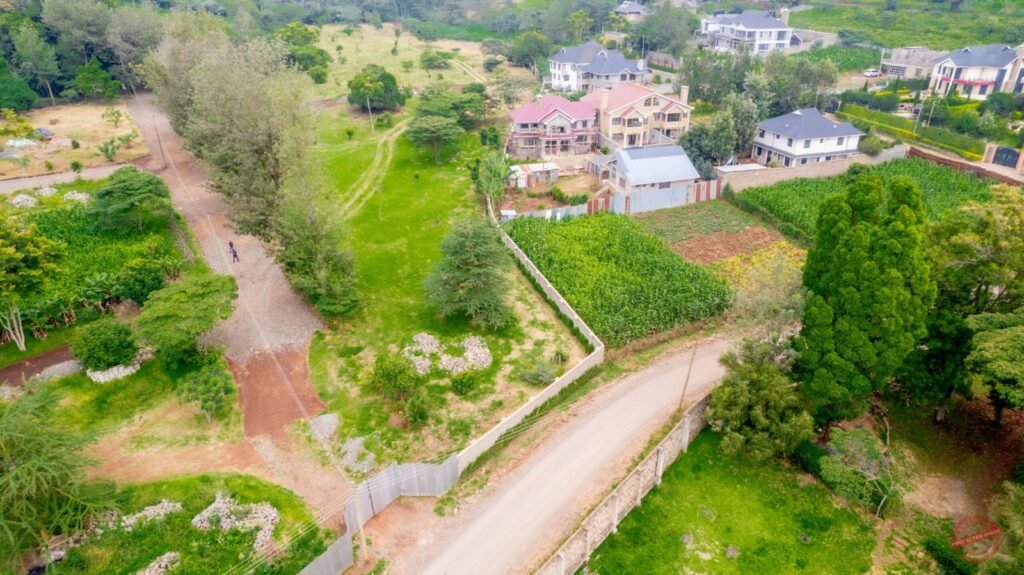
- Land for sale in Kenya – plots from KSh 1M
Step 3: Check the title and the property
This is the most important step in how to buy property in Kenya. Never pay a deposit before it is done.
- Official search: your advocate runs a search at the land registry or on Ardhisasa to confirm the registered owner and any charges, cautions or restrictions.
- Title type: confirm whether the title is freehold or leasehold, and for apartments whether a sectional title (under the Sectional Properties Act 2020) is available.
- Survey: for land and houses, a licensed surveyor confirms the beacons and plot size match the registry map.
- Approvals: for new buildings, ask for approved plans, the NEMA licence and, once complete, the occupation certificate.
- Rates and rent: ask for clearance showing land rates (and land rent for leasehold land) are paid.
Step 4: The sale agreement
Your own advocate should review or draft the sale agreement. It sets out the price, deposit, completion date, what happens if either side defaults, and who pays which costs. Most agreements use a 10% deposit, held by an advocate as stakeholder until completion.
For off-plan purchases, the agreement should tie each instalment to a construction milestone and state the completion date, the specification and what happens if the project is delayed.
Step 5: Pay the balance and register the transfer
On completion, the balance is paid (in cash or by your lender), and the seller’s advocate hands over the completion documents. Your advocate then pays stamp duty, lodges the transfer at the land registry and registers the title in your name. For agricultural land, Land Control Board consent is needed before the transfer.
Keep copies of every document and payment receipt. Once the title is registered, you are the legal owner.
Documents you will need
When you buy property in Kenya, your advocate will ask for and check the following documents:
- Your national ID or passport and KRA PIN certificate.
- A copy of the title (or sectional title or lease) and the official search result.
- The seller’s ID and KRA PIN, or company documents if the seller is a company.
- Land rates and land rent clearance certificates, where they apply.
- For off-plan units: county approvals, the NEMA licence and the contractor’s NCA registration.
- Completion documents: signed transfer, passport photos and consents where required.
Cash, mortgage or payment plan?
Paying cash is the fastest way to buy property in Kenya and often earns a discount. A mortgage spreads the cost over many years but adds interest, valuation and legal costs, and the bank must approve the property. Off-plan payment plans let you pay in instalments during construction, usually interest-free, but you wait for completion.
Many buyers combine options, for example paying a deposit from savings and the balance through a mortgage at completion. Compare the total cost of each route before you commit.
Buying from abroad
Many Kenyans in the diaspora buy property in Kenya without travelling. You can view by live video, sign documents before a notary or at a Kenyan embassy, and pay through bank transfers to your advocate’s client account. See our full guide to buying property from the diaspora.
Costs of buying property in Kenya
Here is an example for a property priced at KSh 10,000,000 in Nairobi. Use it as a rough guide; your advocate and lender will give you exact figures.
| Cost item | Estimate |
|---|---|
| Purchase price | KSh 10,000,000 |
| Stamp duty (4% in a municipality) | KSh 400,000 |
| Legal fees (often about 1–2% plus VAT) | KSh 100,000 – 200,000 |
| Valuation (only with a mortgage) | Ask your lender |
| Searches and registration | Small fixed fees |
Check current stamp duty rules on the Kenya Revenue Authority website. Some first-time buyers of affordable housing may qualify for exemptions, so ask your advocate.
Mistakes to avoid
- Rushing: knowing how to buy property in Kenya safely means taking time over each step below.
- Paying before the search: always complete the official search first.
- Using the seller’s advocate only: have your own advocate protect your interests.
- Paying cash or to personal accounts: pay only to the accounts named in the sale agreement.
- Skipping the site visit: visit in person or by live video, and check access, water and power.
- Ignoring the service charge: for apartments and gated estates, it is a long-term cost.
Frequently asked questions
How long does it take to buy property in Kenya?
For a ready apartment with a clean title, buying usually takes 1–3 months. Land and off-plan purchases can take longer because of surveys, consents and construction.
Can foreigners buy property in Kenya?
Yes. Non-citizens can own property on leasehold title of up to 99 years. Kenyan citizens living abroad can also buy freehold land.
What is stamp duty in Kenya?
Stamp duty is 4% of the property’s value within a municipality and 2% outside a municipality.
Do I need a lawyer to buy property in Kenya?
Yes. Use your own independent advocate to run searches, review the sale agreement and register the transfer.
Can I get a mortgage in Kenya?
Yes. Most Kenyan banks offer mortgages; you usually pay a deposit and the bank finances the rest over a fixed term.
Talk to Sir Francis Homes
Sir Francis Homes has helped buyers in Kenya and abroad find apartments, houses and land across Nairobi. Call us for a free consultation, current listings and introductions to independent advocates and lenders. Call us to view any of the buy property in Kenya listed above. We regularly help clients buying property in Kenya from the diaspora, from the first video viewing to handing over the keys. We can help you compare projects when buying off-plan property in Kenya and check the documents with your advocate. Ask us how to buy property in Kenya with confidence.
Sir Francis Homes, Riara Centre, Riara Road, Lavington, Nairobi · Call or WhatsApp +254 722 720 812 · [email protected]